
Signs It’s Time to Seal Your Asphalt Surface
Noticing cracks, fading color, or water pooling can indicate it's time to seal your asphalt surface, and local contractors are ready to help protect and extend its lifespan.
Property owners considering asphalt maintenance often wonder when it’s time to seal their surfaces. Recognizing the signs that indicate sealing is needed can help protect the investment in your property’s pavement and extend its lifespan. Common indicators include visible cracks, surface fading, and the presence of oil or other stains that penetrate the asphalt. If these signs are present, local contractors who specialize in asphalt sealing can evaluate the condition of the surface and recommend appropriate steps to preserve its integrity.
Understanding these practical cues encourages proactive maintenance, which can prevent more costly repairs down the line. Local service providers offer professional sealing solutions tailored to address the specific needs of asphalt surfaces in the area. Keep reading to learn more about how to identify the signs it’s time to seal your asphalt surface and discover how trusted local pros can help maintain its durability and appearance.
- When cracks and surface oxidation become visible, local contractors can assess if sealing is needed to protect the asphalt. - Faded or worn asphalt that shows signs of weathering may require sealing to restore its appearance and durability, handled by nearby service providers. - Areas experiencing frequent freeze-thaw cycles often benefit from sealing to prevent further damage, with local pros providing expert recommendations. - Excessive surface raveling or loose aggregate indicates it’s time to seal the surface to prevent deterioration, which local contractors can address effectively. - When oil stains or other surface contaminants are present, sealing can help preserve the asphalt, with local service providers able to perform the necessary work.
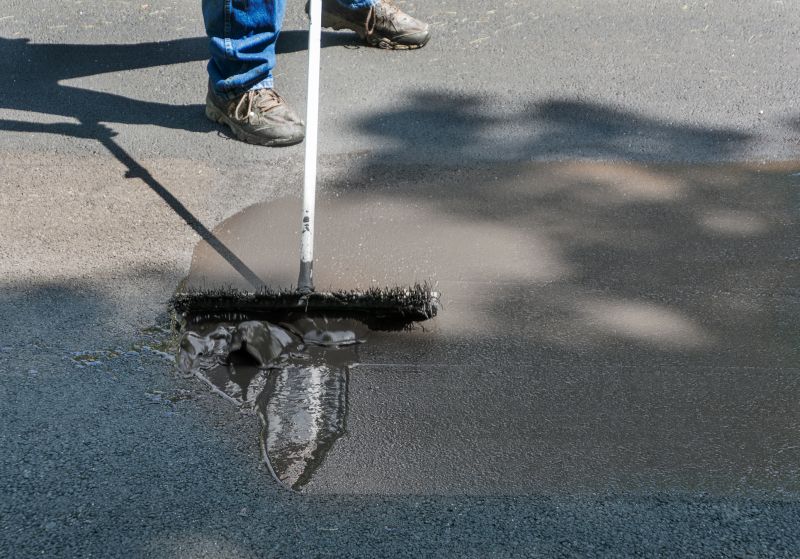
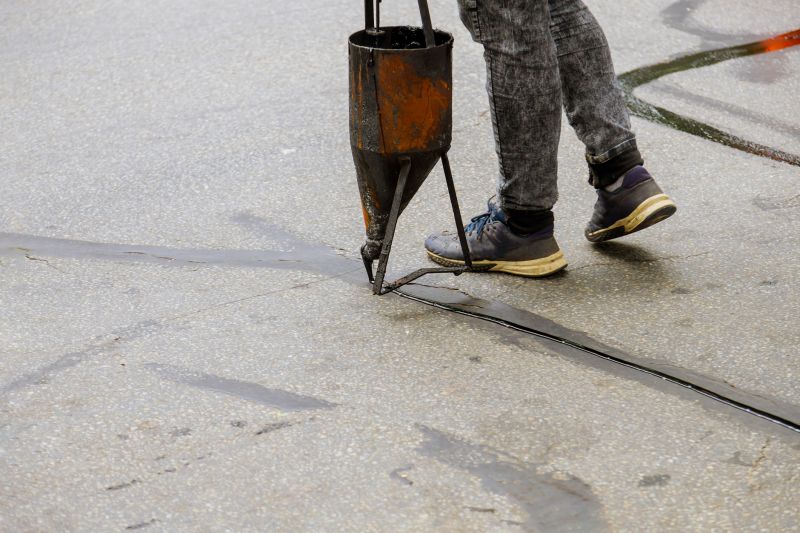
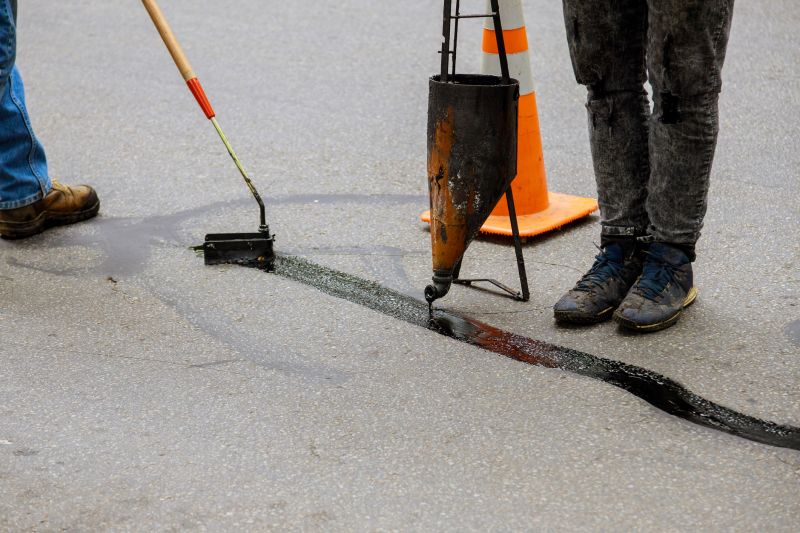
Understanding the signs it’s time to seal your asphalt surface is essential for maintaining its appearance and durability. Homeowners often search for this topic when they notice visible wear or damage on their driveway, parking lot, or other paved areas. The goal of sealing asphalt is to protect it from elements like water, UV rays, and daily wear that can cause deterioration over time. Recognizing the early indicators that sealing is needed can help prevent more costly repairs down the line, making it a practical part of regular property maintenance. Local contractors specializing in asphalt sealing can assess these signs and recommend the appropriate timing for sealing to extend the lifespan of the surface.
Many property owners relate the topic of sealing asphalt to common problems such as cracking, surface fading, and the presence of potholes or loose gravel. When asphalt begins to crack or develop small surface fissures, it often signals that the protective layer has weakened. Fading or dullness in color can also be an indication that the asphalt’s surface is losing its protective coating and needs rejuvenation. Additionally, areas with standing water or signs of erosion suggest that the surface’s ability to repel water has diminished, increasing the risk of further damage. These issues highlight the importance of timely sealing, which can help restore the surface’s integrity and prevent more extensive repairs.
The types of properties that typically benefit from sealing asphalt include residential driveways, commercial parking lots, and community pathways. Driveways are often the first line of defense against weather and traffic wear, making regular sealing an important part of property upkeep. Parking lots, especially those with heavy vehicle traffic, are prone to faster deterioration and require sealing to maintain safety and appearance. Community walkways or recreational surfaces with asphalt also benefit from sealing to prevent cracks and surface degradation. Local service providers understand the specific needs of different property types and can recommend sealing schedules that suit each surface’s usage and exposure, helping property owners protect their investment effectively.
When property owners notice signs such as surface cracks, fading color, or water pooling, it’s a clear indication that sealing may be needed soon. These signs suggest that the asphalt’s protective layer has been compromised, leaving it vulnerable to further damage from weather, traffic, and other environmental factors. Engaging with local asphalt sealing contractors can provide expert assessments and professional sealing services that address these issues. Proper sealing not only enhances curb appeal but also acts as a preventive measure, safeguarding the surface from future deterioration. Recognizing these signs early and connecting with experienced service providers can help ensure that asphalt surfaces remain functional and visually appealing for years to come.
Driveway Repair Projects - Repairing cracks and surface damage on driveways often precedes sealing, requiring similar skills and tools used in asphalt surface sealing to prepare the area properly.
Pothole Patching - Filling potholes involves surface assessment and repair techniques that are closely related to the surface preparation needed before sealing asphalt surfaces.
Asphalt Resurfacing - Resurfacing involves applying new asphalt over an existing surface, which complements sealing work to extend the lifespan of the asphalt.
Parking Lot Maintenance - Maintaining parking lots includes sealing and crack filling, both of which rely on planning and surface prep similar to residential asphalt sealing.
Surface Crack Repair - Fixing cracks in various paved surfaces requires skills in surface assessment and repair, aligning with the sealing process to prevent further damage.
Sealcoating for Commercial Lots - Commercial lot sealcoating shares techniques and planning strategies with residential asphalt sealing, often involving similar tools and surface prep steps.
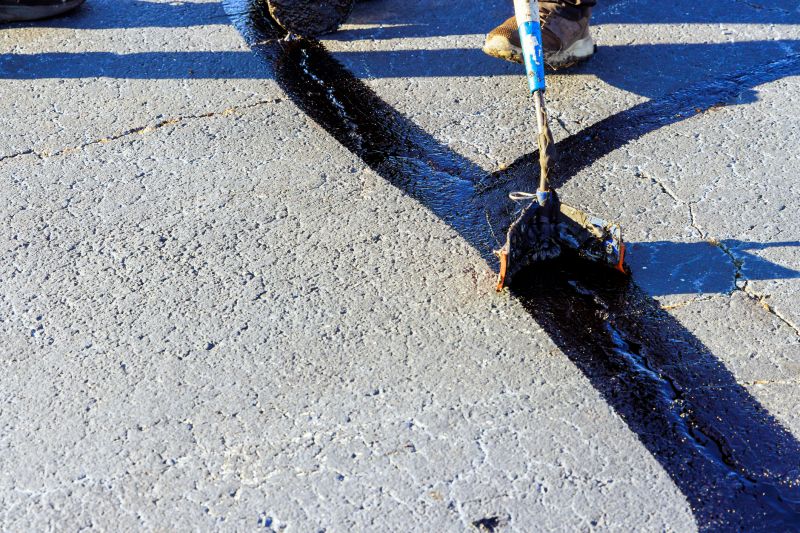
When comparing local contractors for asphalt surface sealing, it’s important to consider their experience with similar projects. A contractor who has successfully handled asphalt sealing for residential driveways, parking lots, or other surfaces comparable to the homeowner’s needs can offer valuable insight into their expertise. Asking about their previous work or requesting examples of completed projects can help gauge their familiarity with the specific requirements and challenges associated with sealing asphalt surfaces. This focus on relevant experience helps ensure that the chosen service provider understands the nuances of the work and can deliver results that meet expectations.
Clear written expectations are essential when evaluating local service providers for asphalt sealing. A reputable contractor should be able to provide a detailed scope of work, including surface preparation, sealing process, and any necessary follow-up steps. This transparency helps prevent misunderstandings and ensures that both parties are aligned on what the project entails. Homeowners should look for service providers who communicate these details clearly and are willing to answer questions about the process, materials used, and maintenance recommendations. Well-defined expectations contribute to a smoother project and a more satisfactory outcome.
Good communication and reputable references are vital factors to consider when selecting a local contractor for asphalt sealing. Service providers who are responsive to inquiries and willing to provide references from past clients demonstrate professionalism and reliability. Contacting previous customers can offer insights into the contractor’s work ethic, adherence to timelines, and overall quality of service. Effective communication throughout the project also helps address any concerns promptly and ensures that the homeowner remains informed about progress. Choosing a contractor with strong references and open communication can lead to a more positive experience and a well-sealed asphalt surface that stands the test of time.
Property owners often search for signs it’s time to seal your asphalt surface when they are planning practical projects around their homes and businesses. Local pros provide Asphalt Surface Sealing services for everyday jobs and straightforward project options.
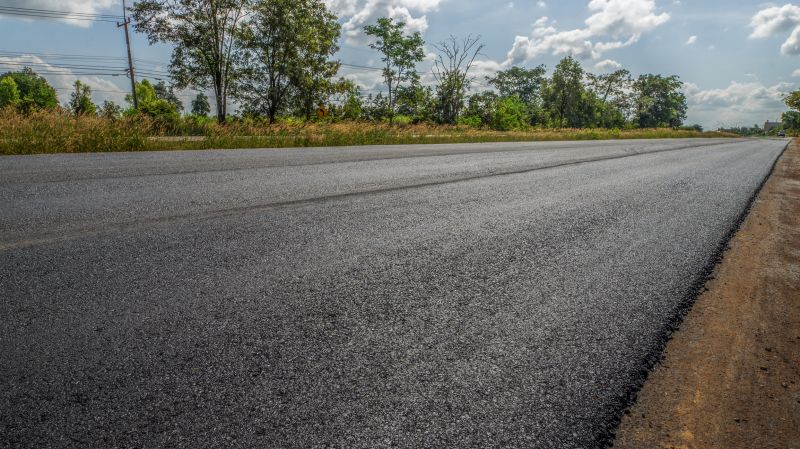
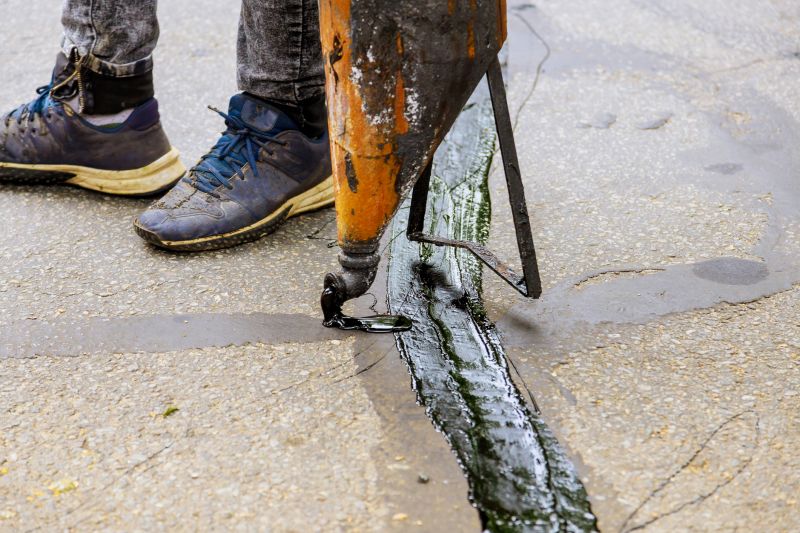
Property owners in the area often notice signs that it’s time to seal their asphalt surface when they see visible cracks or surface wear. Over time, exposure to weather and regular use can cause the asphalt to develop small fissures or a faded appearance, which may lead to more significant damage if not addressed. When these signs appear, local contractors who specialize in asphalt sealing can help protect the surface and extend its lifespan, preventing costly repairs down the line.
Another common indicator is the presence of surface oil spots, water pooling, or a rough texture when walking or driving across the asphalt. These issues suggest that the protective layer has worn thin, making the surface more vulnerable to deterioration. Property owners considering asphalt surface sealing services often seek out experienced local service providers to restore the surface’s integrity and improve its overall appearance. Connecting with local contractors can ensure the right solutions are applied promptly to maintain a durable and attractive asphalt surface.
How can I tell if my asphalt surface has developed cracks or potholes? The presence of visible cracks or potholes is a common sign it’s time to consider sealing your asphalt surface, as sealing can help prevent further damage.
Are there any signs of surface wear or fading on my asphalt? Fading, surface erosion, or a loss of color can indicate the asphalt is aging and may benefit from sealing to restore its protective layer.
Is water pooling or puddling on my asphalt surface a sign to seal it? Yes, if water tends to collect or puddle on the surface, sealing can help improve water resistance and prevent deterioration caused by moisture.
How do I know if my asphalt surface is losing its texture or becoming rough? A noticeable change to a rough or uneven texture suggests the surface is breaking down, and sealing can help reinforce its integrity.
When should I consider sealing my asphalt if I notice small cracks or surface damage? Small cracks or minor surface damage are signs it’s a good time to have a professional evaluate and seal the asphalt to prevent more extensive repairs later.
Visible surface cracks - When cracks start to appear on the asphalt, it’s a sign that sealing may be needed to prevent further damage. Property owners can schedule a consultation with local contractors to assess and address these issues.
Fading or discoloration - If the asphalt surface looks dull or faded, sealing can restore its appearance and protect it from future wear. Local pros can evaluate whether sealing will help maintain the surface’s condition.
Pooling water or poor drainage - Water pooling in areas on the asphalt indicates that sealing might improve surface smoothness and prevent water-related deterioration. Service providers can recommend sealing as part of a drainage improvement plan.
Surface wear or erosion - Signs of surface erosion or worn-down areas suggest it’s time for sealing to reinforce the asphalt and extend its lifespan. Local contractors can determine the best sealing approach for ongoing protection.
If you are thinking about signs it’s time to seal your asphalt surface for a property, this guide is meant to help you understand this topic, the typical project types, and how different options might fit your plans.
When you are ready, you can use the quote form on this page to share a few details about your project. From there, local pros can review the basics and follow up with options that match what you have in mind.